
Lia Perin appeared on Channel 5 News on Thursday, 12 November 2026 to discuss whether non-disclosure agreements (‘NDAs’) can prevent people from reporting misconduct. The discussion followed the publication of allegations against David Walliams and Russell Brand’s conviction.
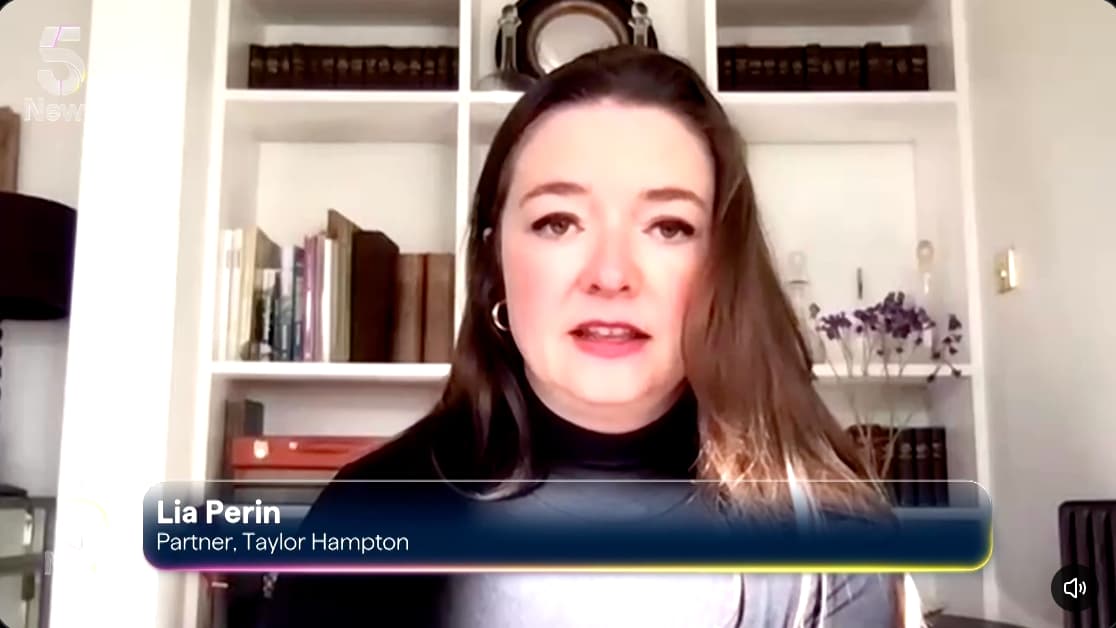
Lia explained:
“NDAs are being more closely looked at now […] they will not ordinarily be able to prevent someone from reporting matters to the police. This is incredibly important. It’s not a license to conceal unlawful behaviour.”
Watch Lia Perin’s interview on Channel 5 News here.
Increased media attention often encourages people who may previously have felt isolated, intimidated or unsure of their rights to seek advice and explore their options. Many people wrongly assume that because events happened some time ago, or because they signed an NDA, there is nothing they can do. In many cases, that is not right.
The first step is to obtain independent legal advice before reaching any conclusions about what rights or remedies may be available.
Individuals should preserve any evidence they still have access to, including emails, text messages, WhatsApp messages, photographs, diary notes and details of potential witnesses.
Different routes may be available simultaneously, and individuals do not necessarily have to choose between them at the outset.
On the criminal side
If an individual believes they have been the victim of a criminal offence, they can report the matter to the police regardless of whether an NDA exists; private agreements do not override the criminal law.
An NDA cannot lawfully prevent someone from reporting suspected criminal conduct or cooperating with a police investigation.
On the civil side
Depending on the facts, individuals may have potential civil remedies available to them, even where no criminal prosecution takes place. These can include personal injury claims, harassment claims, employment-related claims, discrimination claims, negligence claims or other civil causes of action.
The availability of any claim will depend on the particular circumstances and specialist advice should be taken.
NDAs
Many people overestimate what an NDA can achieve.
An NDA will not ordinarily prevent someone from reporting matters to the police, speaking to regulators, obtaining legal advice or seeking therapeutic or medical support.
Whether any particular NDA is enforceable depends on its wording and the surrounding circumstances.
There may also be regulatory or professional complaint routes available, depending on the circumstances and the individuals involved. Those processes can often exist alongside both criminal and civil avenues.
The most important thing for people to understand is that signing an NDA does not mean they have signed away all of their rights. Anyone affected should seek independent advice so that they can make an informed decision about the options available to them.
If you would like to get in touch to confidentially seek advice, please send an email to enquiries@taylorhampton.co.uk and we will arrange to give you a call.
Disclaimer: This article provides general guidance only and does not constitute legal advice. Civil procedure rules and case law can change. Always seek professional legal advice tailored to your specific situation before acting.